Recording · 00:00

The people who made this place will not always be here.

A town keeps its stories in the heads of the people who live in it. We record them properly, while we still can, and turn them into something visitors and residents actually want to watch.
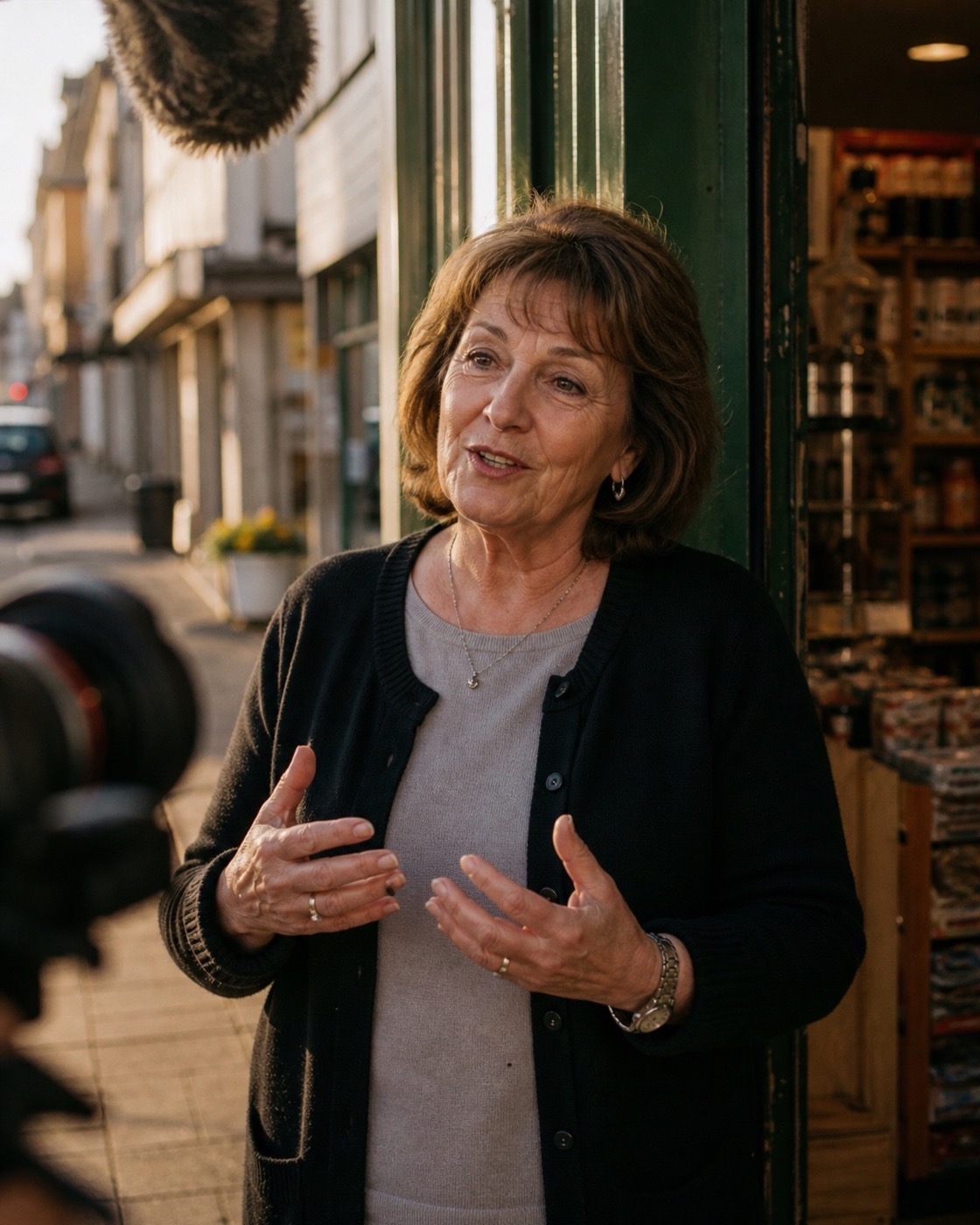
A woman who has run the local shop for decades, telling a story about her town on a sunlit main street, filmed at ground level — a sample place film. A local, telling it properly 03:41
The problem

Your town is marketed with drone footage. It is made of people.

Every coastal town has the same aerial shot and the same three words underneath it. The thing that actually makes a place different is sitting in the heads of the people who live there, and none of it is written down.

What usually happens

The story leaves quietly

The publican who knew everything retires to Queensland. The woman who ran the shop for sixty years passes away. The bloke who remembers the flood stops coming down the street. Nobody notices until somebody asks a question and there is no one left to answer it.

What we do instead

We ask while they are here

We find out who holds the story, we work out what to ask them, and we sit down and record it properly. Not a phone on a table. A real interviewer, a real camera, and the patience to wait for the true version.

A place is not its buildings. It is the people who can tell you why they are there.

What we capture

The stories a place cannot buy back once they are gone.

Every town has these six. Most have never recorded any of them. The Story Map works out which ones matter most here, and who holds them.

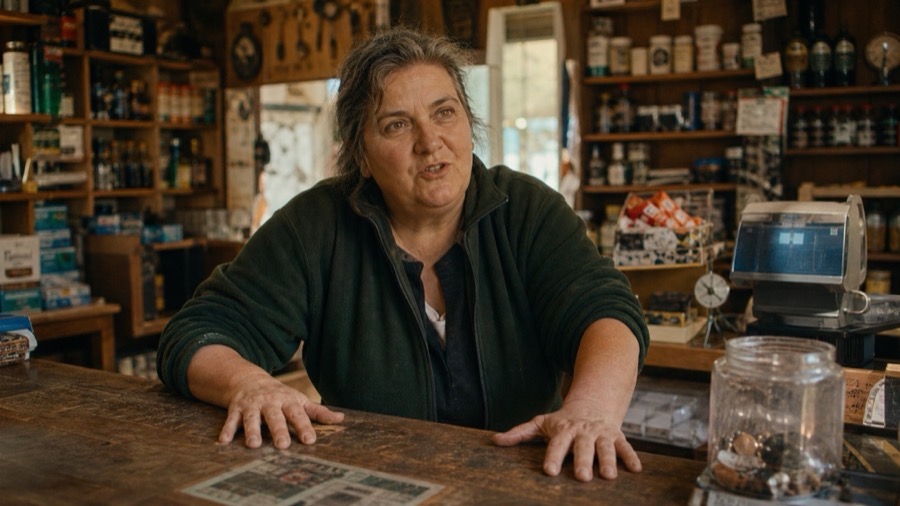
A local shopkeeper behind the counter of the shop she's run for decades, mid-story, warm afternoon light — the builders who physically made the place work. Sample
01 · The builders

The trades, the farmers, the publicans, the family that has run the same shop for sixty years. The people who physically made the place work.

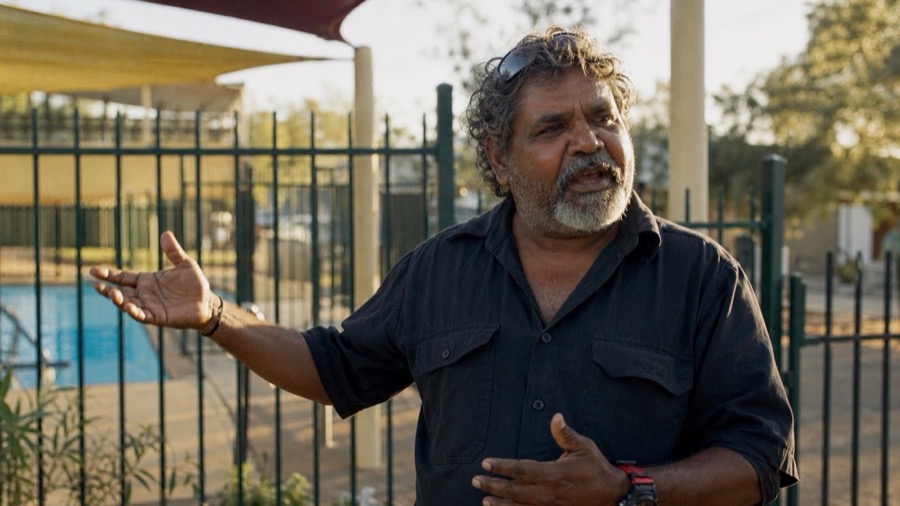
An Aboriginal Australian community organiser at the local space he helped create, mid-story, warm late-afternoon light — the changers who made it happen. Sample
02 · The changers

The person behind the thing everyone now takes for granted. The pool, the festival, the bypass fight, the co-op that saved the main street.

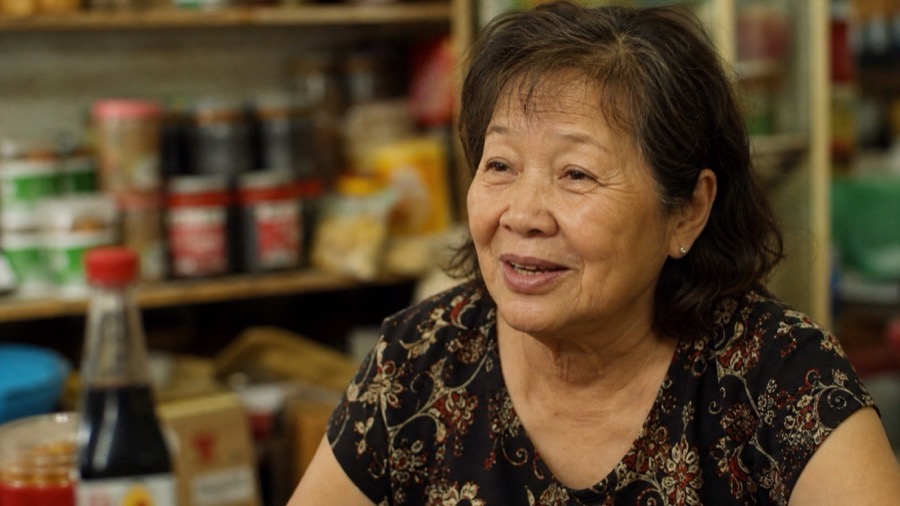
A Vietnamese-Australian woman telling her migration story in the family shop she built, warm light — the arrivals who explain why people chose here. Sample
03 · The arrivals

Why people chose here. What it was like to be new. Migration stories that explain the food, the clubs and the surnames on the war memorial.

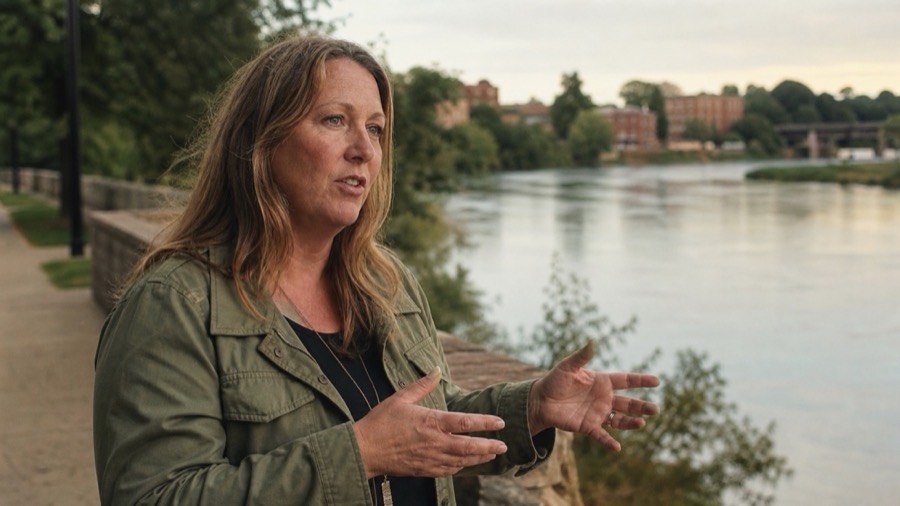
A woman standing at the site of a defining local event, calm and reflective, telling the story of what happened there. Sample
04 · The event

The flood, the fire, the closure, the win. The thing everyone still talks about, told by the people who were actually standing in it.

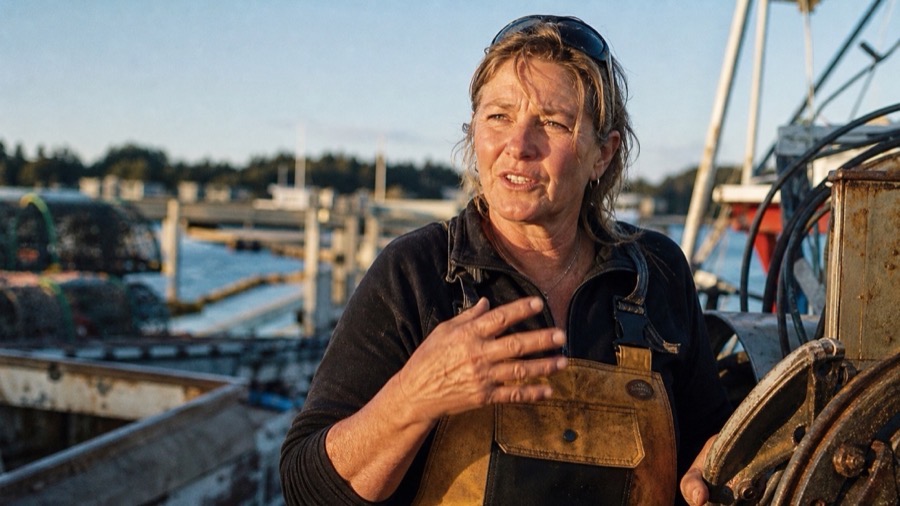
A local tradeswoman in her real working environment, weathered hands and warm early light — the working life that built the place. Sample
05 · The working life

What the industry here really was. The mill, the boats, the line, the season. Told with the detail only someone who did the job can give you.

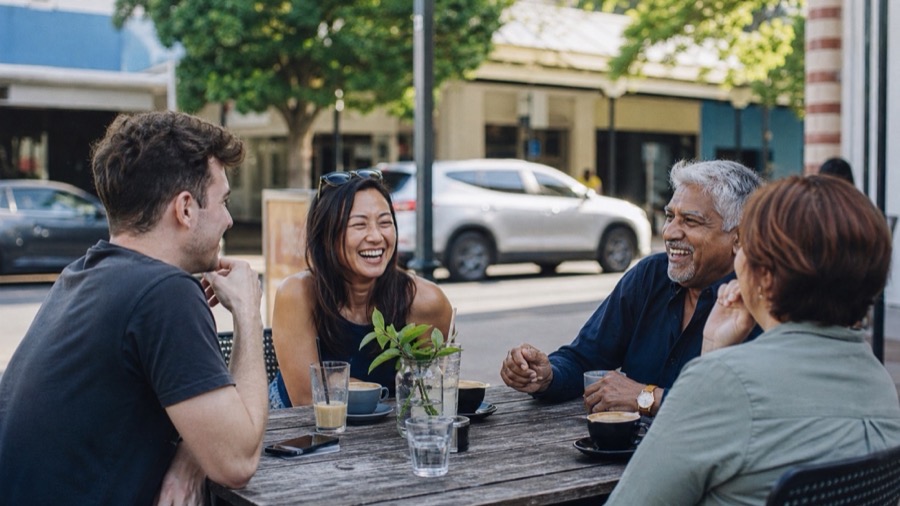
A mixed-age, mixed-background group of locals at a footpath cafe table, candid and contemporary — what it actually feels like to live here right now. Sample
06 · Right now

What it actually feels like to live here today. This is the one nobody records, and in thirty years it is the one they will wish they had.

How it works

Start with a map. Go as far as the budget allows.

Most places start at the first rung, because it is the cheapest thing here and the one that makes everything after it possible. You can stop there, and plenty do.

Start here The front door

The Story Map

We find it. You keep it.

We work out what stories this place has, who holds them, and which ones are urgent. You get a scoped document your team can act on, apply for funding with, or hand to volunteers.

  • Named story holders
  • Ranked by risk of loss
  • A question set for each
  • A plain recording guide
Fixed fee / scoped up front
You capture, we finish

You record it

Your people. Our craft.

Your staff, your volunteers or your historical society do the recording using the map. Send us the footage and we edit, colour, master and deliver films that look like a real production.

  • Uses the map you already own
  • Keeps the work in the community
  • Finished, graded, delivered
Per finished film
Full service

We capture it all

We come to you.

We arrive with an interviewer and a crew and work through the map ourselves. The deepest result, and the one that gets the story out of people who would freeze in front of a volunteer with a phone.

  • A real interviewer in the chair
  • Multiple subjects, on location
  • The full archive, filmed properly
Per project / scoped from the map

Pricing for Places is being set with our first council partners. Figures will be confirmed in writing before anything is committed.

The front door

What a Story Map actually is.

The hard part is not filming. Anyone can film. The hard part is knowing which twelve people out of four hundred hold this town, and what to ask them.

That is the thinking we do first, and it is yours to keep whether or not you ever film a frame with us. It is also the document that makes a funding application legible, because it turns “we should capture our history” into a scoped project with names, an order and a reason.

  1. 01The stories this place hasFound through a short discovery process with your team and the people who already know everyone.
  2. 02Who holds each one, namedNot categories. Actual people, with a note on how to approach each of them.
  3. 03Ranked by urgencySome of these people are old, ill, or moving away. That changes the order, and nobody likes to say it out loud, so we do.
  4. 04The question setWritten the way an interviewer would actually ask them, not a list of topics.
  5. 05A plain recording guideSo a volunteer or a staff member can do it acceptably well if you go that way.
  6. 06What to do with the filesStorage, naming, backup and rights, drawn from the doctrine our founder wrote a book about.
The team-up

Captured is only half the job. Then people have to find it.

A recording nobody meets is an archive. Our sister studio, Learn Awesome Experiences, works out the best way to package what we capture so a visitor actually walks into it.

We do this

The Legacy Studio captures

The interview, the shoot, the film, the audio. We go and get the story out of the people who hold it.

Interviews on location
Film and audio
Edited, graded, delivered
They do this

Learn Awesome packages

Sixteen years of designing how people learn, pointed at your captured story. QR codes placed where the thing actually happened, and a route that holds someone for an afternoon.

Self-guided trails and QR
360 tours and multilingual
Schools and pre-visit resources

One proposal, one price, one team. You never manage two suppliers.

The engagement

Four steps, and it is finite.

This is a project with an end, not a platform you have to run. We do not build you somewhere for locals to upload things and then leave you moderating it forever.

We meet the place

Your team, your historical society, the people who know who everyone is. Usually a day, sometimes two.

We build the map

The stories, the holders, the order, the questions. You own this outright from the moment we hand it over.

We capture

Us, your people, or both. Whichever the budget and the timeline actually allow.

We hand it over

Finished films, stored properly, with full rights to you. Packaged into an experience if you want that too.

How places pay for it

Three ways, and one of them needs no budget at all.

We know how council money works. We know it arrives in rounds, that it is committed a year out, and that the person who wants this usually cannot sign for it.

Model one

Project fee

A scoped one-off. Strategy, capture, hand over. Suits a budget line or a grant round, and the Story Map is usually what gets the grant across the line.

Model two

Sponsored

Local businesses fund it. The cafes, the pubs and the shops along a trail have a direct interest in visitors staying an extra two hours, and they will often say yes when the council cannot.

Model three

Ongoing partnership

A standing arrangement with the council, region or tourism body. Capture a few stories every year rather than trying to do everything in one budget cycle.

Grant deadline coming up? We can scope a project to attach to an application.
Good questions

What councils ask us first.

If yours is not here, just ask. A real person answers, not a form.

Ask us anything
We don't have anything written down. Is that a problem?
No, and it is the most common starting point. If you already have material, we package what you have. If you do not, we go and get it. That is the whole reason this studio exists, and it does not change the shape of the project, only the scope.
We have no budget until the next grant round.
Then start with the Story Map. It is deliberately small enough to come out of a discretionary line, and it produces exactly the kind of scoped document a heritage or tourism application needs attached to it. Plenty of places buy the map this year and the capture next year.
Who owns the footage?
You do, outright. Full rights to everything we capture, plus the raw footage if you want it. Every contributor signs a plain consent form that they can actually read, and we will not use anyone's story in our own marketing without asking them separately.
Our locals will never agree to be on camera.
They say that until someone sits down with them properly. Drawing a story out of a reluctant person is the actual craft here, built over twenty years of interviewing and facilitating. Most people are not camera shy. They just do not believe anyone wants to hear it.
Can our volunteers do the recording?
Yes, and for a lot of places that is the right call. The Story Map includes a recording guide written for exactly that. Send us the footage afterwards and we will make it look like a real production. The one thing we would say is to let us take the interviews you cannot afford to get wrong.
What if someone we want to record passes away first?
It happens, and it is the reason the map ranks by urgency rather than by theme. We will tell you plainly who to record first, even when that is an uncomfortable conversation to have in a council meeting.
Do you use AI to fill in gaps or recreate people?
Never. Everything we deliver is a real recording of a real person. No synthetic voices, no generated footage, no reconstruction. If we did not record it, it does not go in.
While they are still here

Who in your town should we record first?

Councils, cities, regions and tourism organisations. Australia wide, and further when it is worth the flight.